
Illness and Chronic Pain

Today I will discuss something that I am quite passionate about. We have all experienced some type of pain in our bodies. Pain is part of the human experience. It is natural and essential to survival. If I place my hand on a hot stove, that pain tells me something is wrong and jerks my hand back; and stops further injury. However, this is not the same story for everyone. Not all pain is healthy, normal or short in duration. Similarly, not all illnesses are curable and some individuals may have to live and manage a condition.
What is Pain?
There are many ways to describe pain, which makes it a difficult task. Pain can be described by its: duration, cause, type, area, quality and more. The International Association for the Study of Pain (IASP, 2012) describes pain as “An unpleasant sensory and emotional experience associated with, or resembling that associated with, actual or potential tissue damage”. Chronic pain, is often described as pain lasting longer than 6 months.
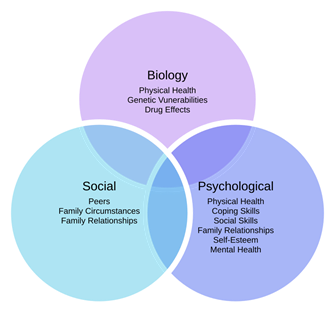
The IASP’s definition highlights that pain is not a mere sensation nor experience. It has a biological, psychological and social aspect.
It Demands Being Felt
Biologically, pain can be caused by many diseases and conditions. Autoimmune, cancers, nerve pain, lower back issues, bodily injuries, etc. There are too many to mention. Individuals may attend various healthcare professionals, initially being diagnosed or seeking treatment for a health problem that may cause pain, or seeking treatment for chronic pain. I am not going to discuss the biological treatment of pain. That is the domain of doctors and physios and beyond. However, the biological is only part of the experience of pain.
Pain is Subjective
Pain has an emotional, cognitive, social, behavioural and spiritual aspect. Stated differently, our thoughts, feelings, beliefs and behaviours can influence how pain is perceived and experienced. Pain can influence our daily lives, can cause a change in behaviour, cause sleep problems, and influence our relationships. There are not many parts of life that pain cannot touch.
Pain is experienced in the Brain
Pain is a complex phenomenon. It is more than a mere experience. It is a complex interplay amongst the physical, psychological, social and more. Since there are all of these aspects to the experience of pain and chronic pain, it is of value to address them all. Our emotional state of mind, beliefs around pain, and understanding of our pain/disease can influence pain. Research has found that psychological intervention can improve the experience of pain.
Biopsychosocial Treatment of Chronic Pain
The Biopsychosocial model of healthcare (below), highlights that wellness requires more than one component. In addition to medical and physical treatment of pain, the emotional, cognitive, social, and behavioural components of pain can and should be a focus of treatment. Research has shown psychological intervention can improve outcomes in chronic pain.
Difficulty in Diagnosis
Often, individuals undergo a long and difficult process to be diagnosed with a disease or find a cause for chronic pain. For some individuals the diagnostic process can take many years. This process may leave individuals with a lot of feelings of anger or trauma from being poked, prodded and passed on to other specialist doctors. It is a difficult process.
I have a special interest in chronic pain and medical illnesses. My research dissertation during my Master’s degree was on the diagnostic process of autoimmune disease. The findings of my research included the struggle to get a diagnosis, adjusting to life with a diagnosis and living with a disease that is not always curable. Chronic pain was an element present in almost all participants.
The diagnosis of a chronic disease and/or chronic pain can be a traumatic experience. Adjusting to life with a chronic disease or pain is not easy. It can involve a complete change in one’s life. It can require constant effort in taking care of one’s health. It can affect one’s relationships, occupation and more.
A Holistic View
In order to treat an individual holistically, the medical, psychological and social aspects must be treated. While doctors focus on the biological, we can look at the experience of pain and illness from the psychological side. We can look coping strategies and explore ways to try manage pain and illness.
The journey to diagnosis of a chronic illness or chronic pain is often a long and arduous journey. Individuals often struggle to connect with ‘healthy’ people, as they struggle to understand what it is like to be chronically ill or in pain. People often think of illness like flu- it has a beginning and an end. However, for individuals with certain cancers, autoimmune, neurological, rheumatic conditions etc, there is not always a neat end.
Should you wish to talk about your illness and/or pain, I am available to connect with you at Thrive Psychology.
We are also currently looking to start a chronic pain group program. If this appeals to you, please give us a call/email and put your name down for this. As soon as we have a few interested people, we will be in contact with you.
Steve
Clinical Psychologist