
WOMEN’S MONTH: A NOTE ON WOMEN’S MENTAL HEALTH
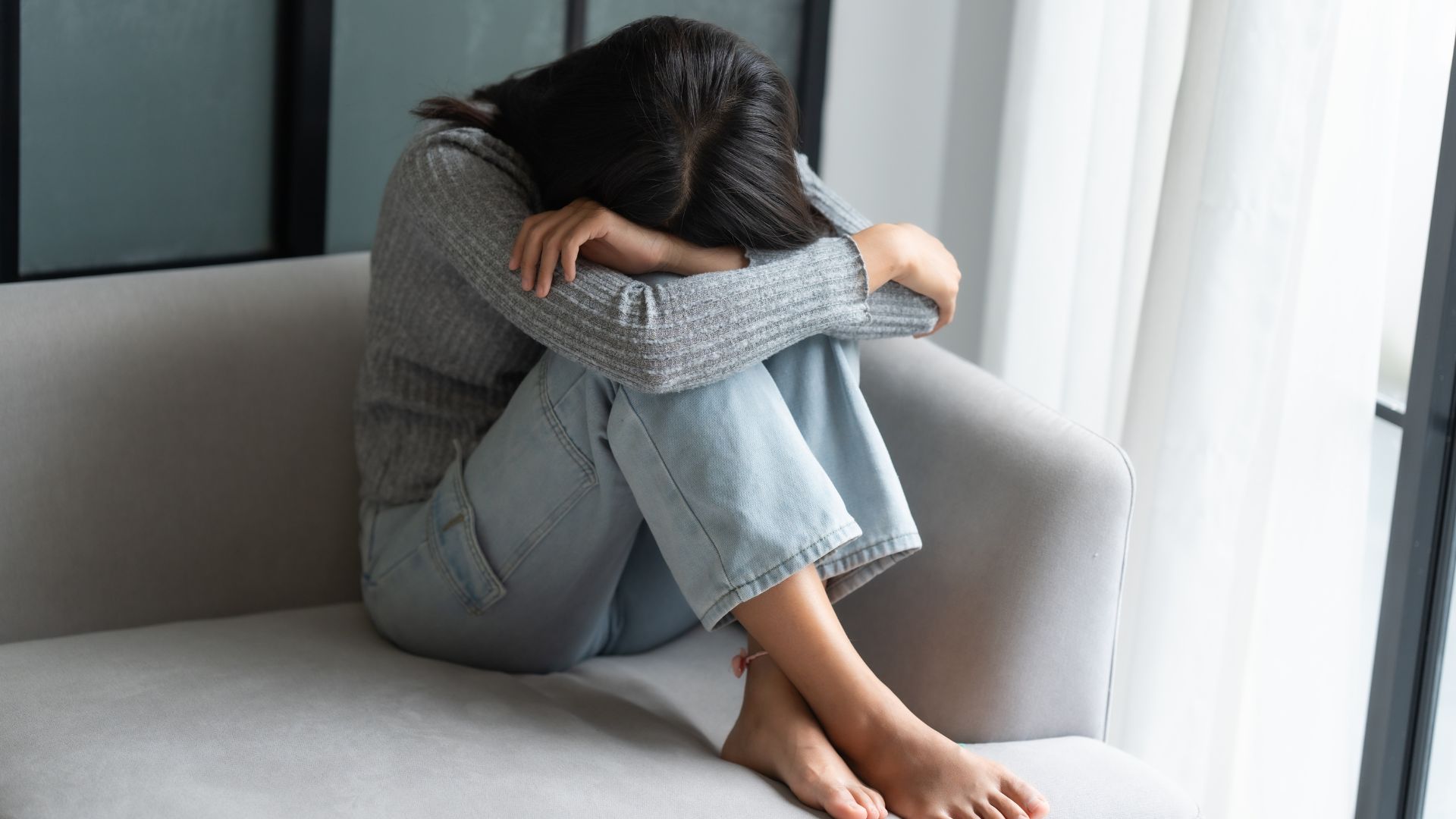
Mental health has undoubtedly been a topic of contention for various groups for many years. Different cultures, religions, and ethnic groups have their own understandings and considerations towards its validity. Notably, when it comes to understanding the mental health struggles of women, History has been rather harsh.
The Ancient Greeks believed the womb moved around the body, causing dysregulation and mood disturbances in women. This is where the term ‘Hysteria’ originates from (hystera, being the Greek word for womb). In the 20th century, doctors would use Hysteria as a blanket-term diagnosis for any woman presenting with symptoms of what we now know to be stress, panic, anxiety, and/or depression. We have come a long way since then in terms of diagnostics, but there still remains a culture of stigmatisation and invalidation when it comes to mental health in women.
Things that seem innocuous, like telling someone they’re being emotional like a woman, women being called ‘crazy’ when upset,’ or ‘paranoid’ when in a relationship, are all markers of a larger culture that does not take women’s emotional experiences seriously, or attempts to deny their reality in some way. It’s jokes about avoiding a girl who is on her period due to the heightened emotional state, or comments about how a woman is ‘too sensitive’ or ‘overreacting’ if she feels overwhelmed.
These are ideas that have become normalised in society, and allow for women’s experiences of trauma, pain, depression, anxiety, grief, betrayal, and stress to be undercut by stereotypes and misjudgements.
Additionally, modern women find themselves living in a hypervolatile climate. Sexual violence, domestic abuse, rape and harrassement are all everyday possibilities faced. Leading to constant fear for their lives and safety. This sense of hypervigilience can be exhausting and emotionally draining. The plight of being a woman in such precarious times may seem difficult to empathise from outside the experience. However, it is simpler than one might think.
The reality is that like anyone, women are entitled to validation. Compassion grows from understanding. So take the time to listen to a woman when she expresses herself, without judgement or presumed expertise. Respond to women’s struggles with an open mind and a sense of empathy. Operate from the basic principle that everyone deserves to feel heard and understood, and everyone’s experience is unique. You may not fully grasp why a woman feels something, but you can acknowledge the mere fact that they do indeed feel it.
To those who identify as female, know that whatever your experience, your feelings are real and deserve to feel safe and seen. If you require a space for this, I am available for sessions below.