
AUTISM: AWARENESS IS GREAT, ACCEPTANCE IS BETTER
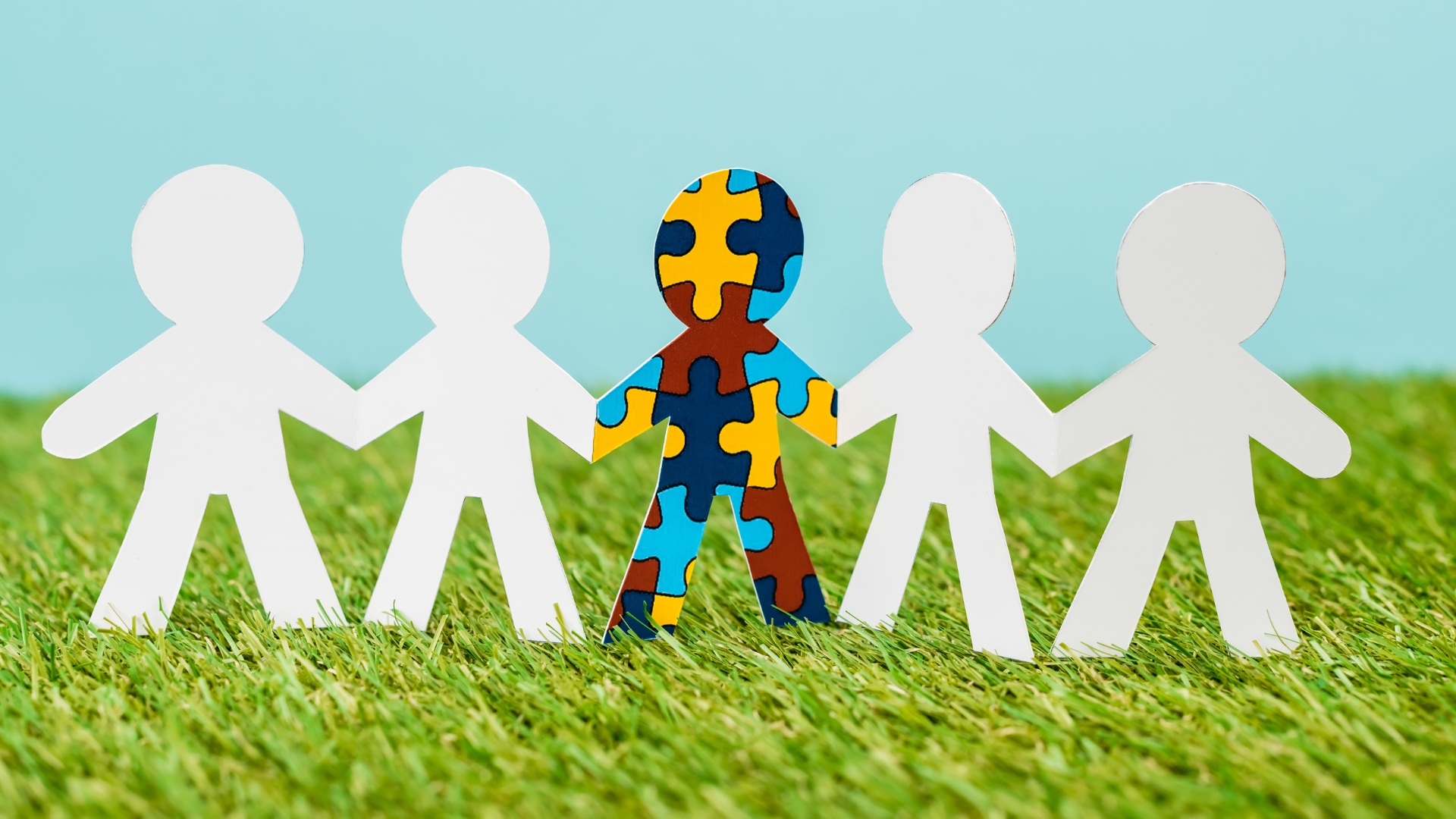
April is World Autism Awareness Month. Whilst conditions like this should be engaged with everyday, this month specifically focuses on highlighting allyship and understanding.
If you do not have Autism, or if you do not know anyone with Autism, it might feel like an abstract concept. Something far removed from you that you might know about, but rarely think about on a deeper level. This is understandable. We often don’t give much time to things that do not directly impact us. However, when we do take the time and make the effort to educate and understand these concepts, they often become less intimidating and unfamiliar. We begin to understand and empathise, rather than simply identify and tolerate. This is how we move beyond awareness, and into acceptance.
So, this April, you are encouraged to be curious about Autism! Here’s a few easy ways to get started:
- Educate yourself – There is so much misinformation on the subject. Myths such as Autism being the result of ineffective parenting, or the side effect of vaccination often dominate the general conversation related to the condition. These statements are untrue and hurtful to individuals with Autism and their loved ones. It suggests personal ‘failures’ or human error. There is no scientific evidence to support these claims. The reality is, Autism Spectrum Disorder is a neurodevelopmental difference that may lead to difficulties with social interactions, speech and communication, and emotional regulation. There is no one specific cause, and symptoms exist on a spectrum. When attempting to learn about Autism, please consult reputable sources like https://my.clevelandclinic.org/health/articles/autism
or learn from the real people who have Autism, or care for those who do.
- Remove Bias – As you learn more, you will start to realise how sensationalised the general depiction and representation of Autism is in society. People with Autism are often regarded as volatile, unpredictable, asocial, awkward, or invalids. Again, it is important to remember that symptoms exist on a spectrum. Whilst some people with Autism may have more severe difficulties with communication, or may experience more tantrums than others, some people with Autism may be incredibly high functioning and independent. It is crucial to stop regarding Autism as a one-size-fits-all type of disorder. Understand that people with Autism are exactly that. People. Who have Autism. Every person is unique and nuanced.
- Seeing the person – Whilst Autism can be a very severe condition to live with, we still need to see the individual underneath the ‘deficit’. Spending time with people who have Autism is a great way of experiencing firsthand just how intelligent, funny, creative, and compassionate they are.
There are beautiful personalities waiting to be seen, so don’t let a diagnosis block your view.
Autism, like any condition, is never the only layer to a person. However, it is a very important aspect that can make life much more difficult for the person dealing with it.
Above all, be compassionate. Understanding and education is half the work, empathy is the rest. Listen to people with Autism/the people who care for them. Be mindful of the ways that you contribute to their discomfort, and then make a concerted effort to mitigate this.
If you would like to learn more about Autism acceptance and allyship, try consulting:
or
If you, or someone you care for has Autism, and would like to explore, manage, and understand yourself/your loved one further, feel free to reach out for a session.